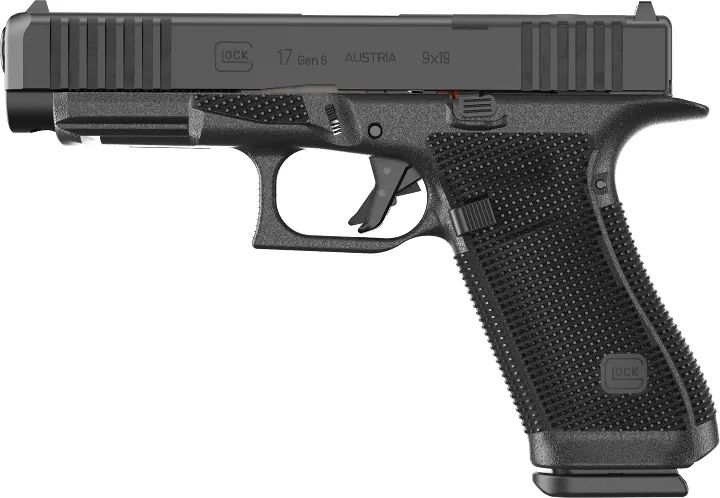
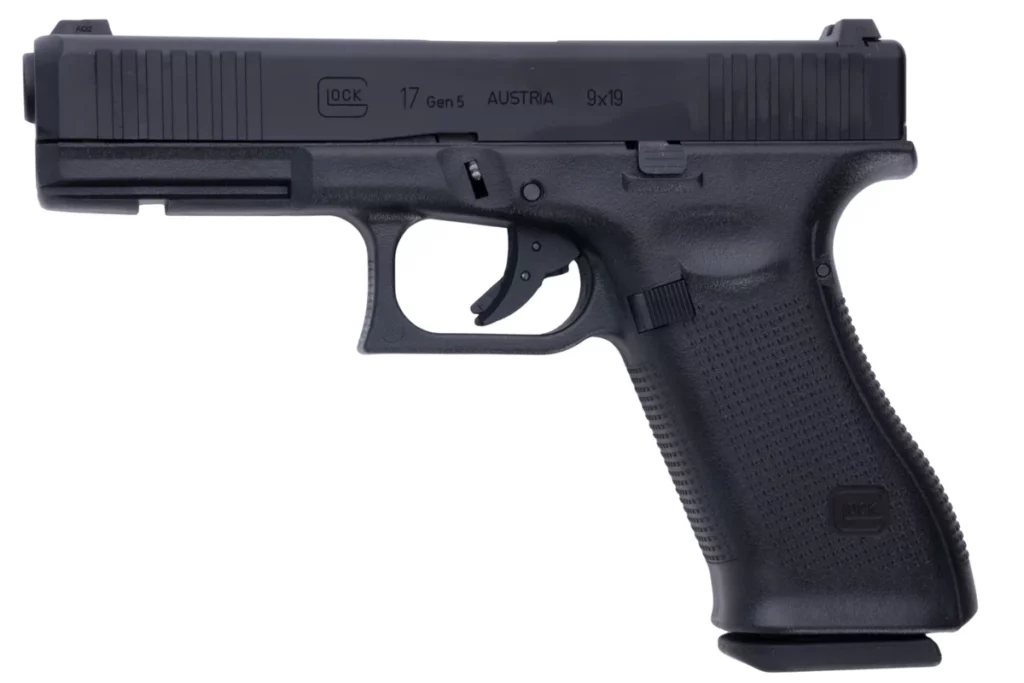
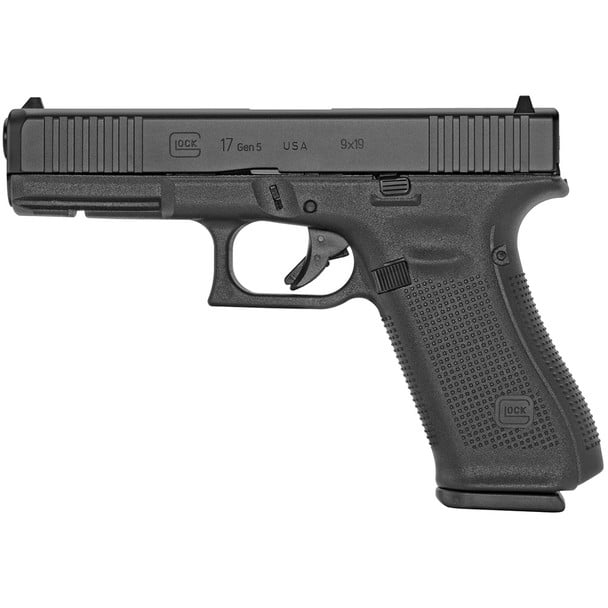
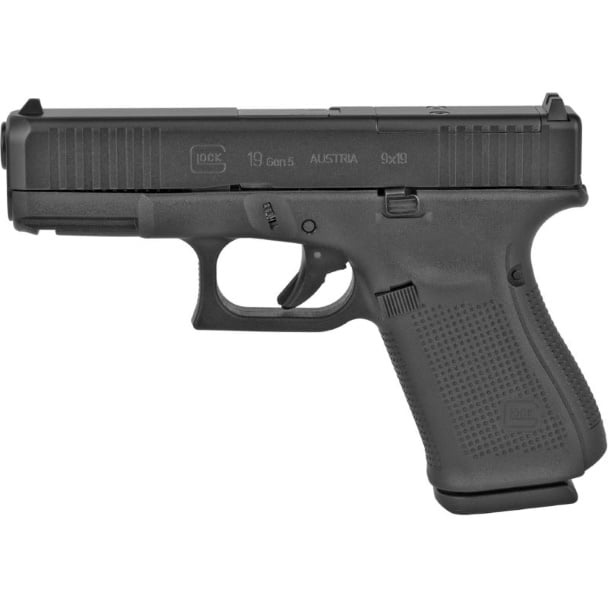
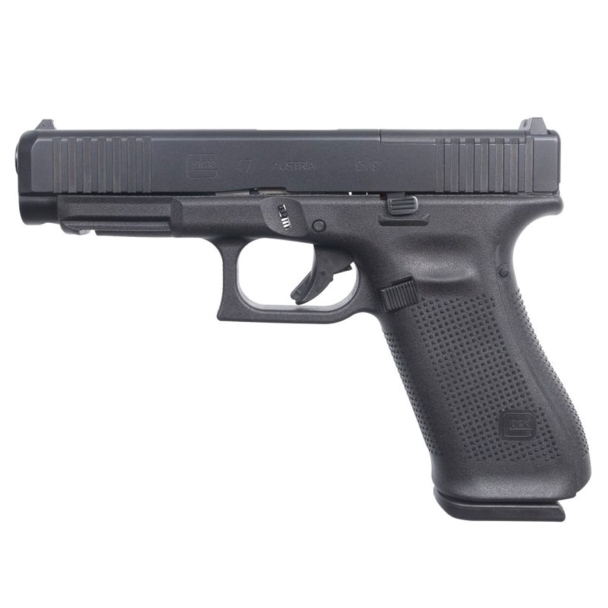
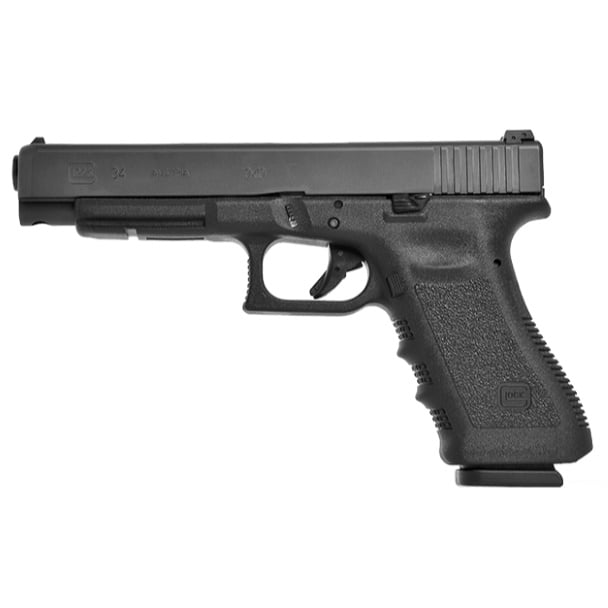
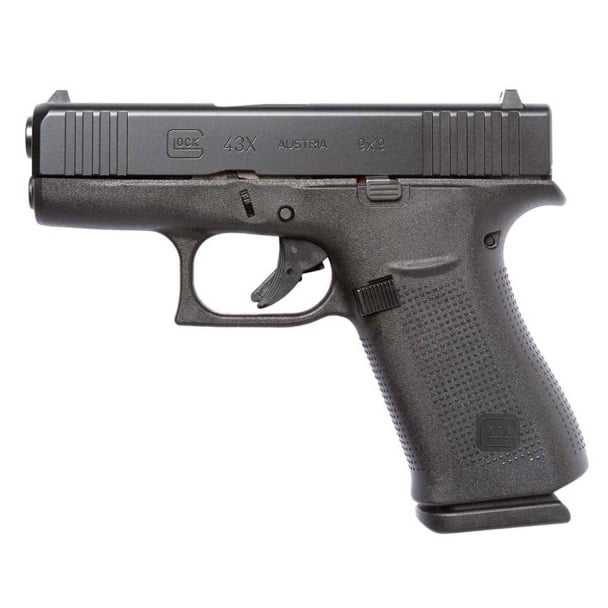
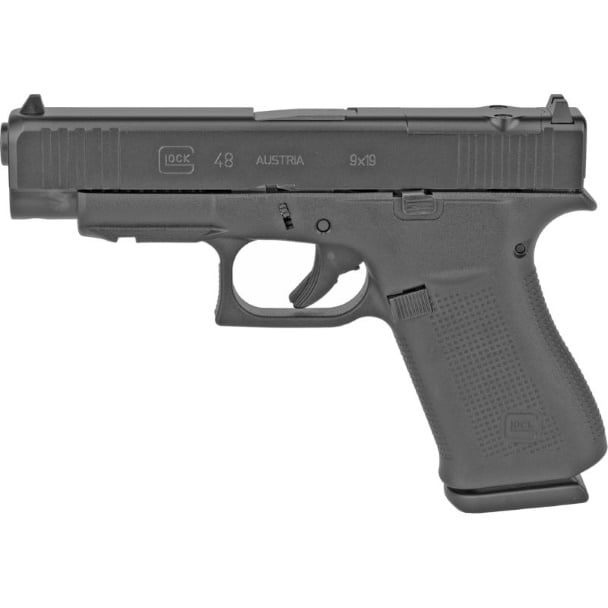
With the release of the Gen 6 and the quiet introduction of the “V Series,” the Austrian giant has effectively put Gen 3, 4, and 5 out of the equation. We are looking at a completely different landscape for the world’s most popular handgun, and the best “Glock” on the market right now might not even have the logo on the slide.
Glock didn’t just release a new model (Gen 6 that is); they fundamentally changed the architecture of their pistols, considerably restricting parts compatibility. The Glock V, on the other hand, was released mainly to address legal concerns regarding Glock switches (that make the gun a full auto). In the V series, Glock changed the slide rails, narrowed the firing pin channel, and tweaked the trigger bar geometry. And while most parts are compatible with Gen 5, the variety of models is limited and we don’t know whether it will broaden to include your favorite niche guns like the Glock 20 in 10mm. Many feel the “V” series will likely be a “value” line once the Gen 6 takes over fully.
Why does this matter to you? The changes break compatibility with the massive ecosystem of aftermarket triggers and parts.
So, where does that leave us?
Option 1: Upgrade to the Gen 6
Let’s give credit where it’s due – the Gen 6 isn’t a bad pistol. In fact, out of the box, it’s arguably the best pistol Glock has ever shipped. They finally listened to customers about the ergonomics. They mapped hundreds of hands to reshape that blocky grip, adding a subtle palm swell and rounding the front strap. Plus, they added features we usually pay gunsmiths for: a deep undercut trigger guard and a thumb ledge (gas pedal) molded right into the frame. Finally, Glock introduced a new flat-faced trigger that actually feels decent.
The biggest shift, though, is the optics system. The MOS plates are gone. The Gen 6 uses a direct-mount system with polymer shims. It sounds cheap, but it works – the polymer acts like a crush washer to keep your screws tight, and your optic sits way lower on the slide.
If you are the type of shooter who buys a gun, puts a light and an optic on it, and never touches the internals, the Gen 6 is a solid upgrade. Just know that you are marrying that platform. You won’t be swapping in a Timney trigger or messing with the guts anytime soon.
Option 2: Grab the Last of the Gen 5s
First, you can snag the remaining Gen 5 stock. Retailers are clearing out their inventory to make room for the new models, and that means you can find some fantastic deals on the platform. A used Gen 5 G19 for a couple hundred bucks less than a new Gen 6 is a no-brainer if you value proven reliability and want access to that enormous Glock parts aftermarket. The Gen 5 is a workhorse, and nothing about the Gen 6 changes that.
For California and other restrictive states residents, the Gen 3 is still the only option on the roster. While many want a Gen 6, they know legal hurdles (like microstamping or loaded chamber indicators) make it unlikely they will ever own one.
Here is the irony of 2026: If you want the true “Glock experience” – the customization and the cheap parts – you might want to opt out of the Glock. You should buy a clone.
Since Glock moved away from the open-source-friendly Gen 3 architecture, competitors stepped in to fill the void. These aren’t just cheap knockoffs anymore; they are evolving the platform faster than the original manufacturer.
To build the RXM, Ruger teamed up with Magpul to build what is essentially a modular Glock Gen 3. It uses a Fire Control Unit (FCU) chassis, similar to a SIG P320 (still not featured in the Glock Gen 6). This means the serialized part is the internal chassis, allowing you to swap out grip modules without needing to go through an FFL. You just buy a piece of plastic for $50 and drop your chassis in.
It retains the Gen 3 internal architecture, meaning it plays nice with a lot of existing aftermarket parts, and boasts great ergonomics. The grip texture is Magpul’s “sandpaper-lite,” which is grippy but won’t rub your skin raw during concealed carry. It comes with decent metal sights right out of the box (unlike the plastic ones Glock still ships). The street price is often around $400.
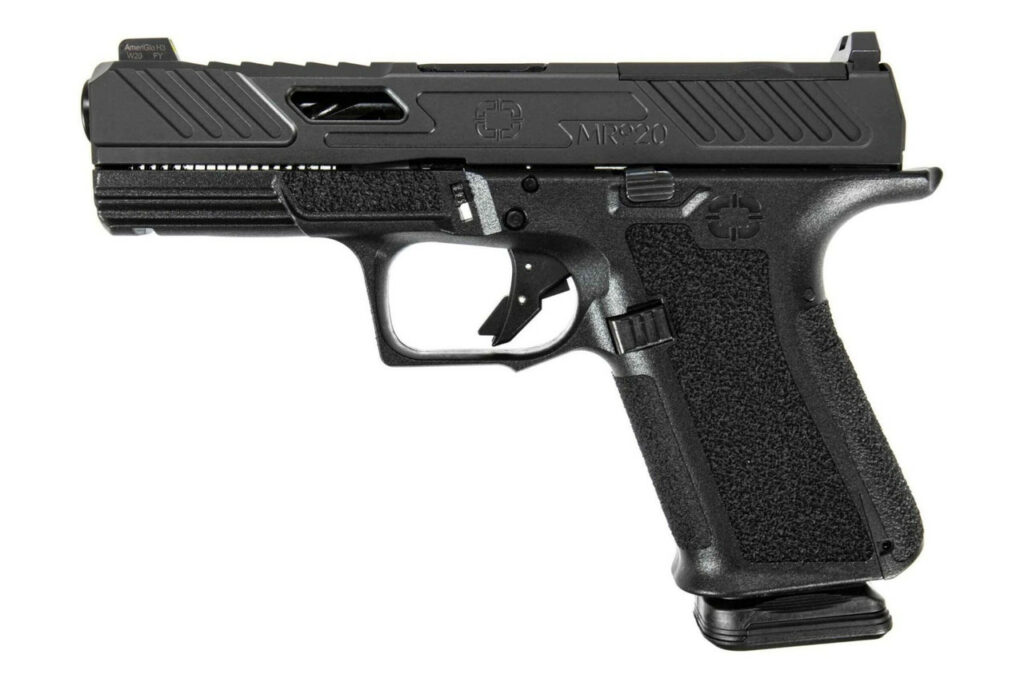
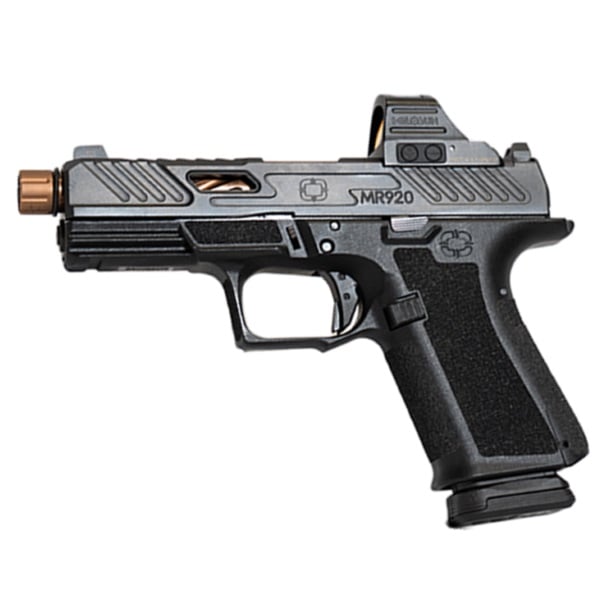
If you have the cash and just want a gun that works better than a stock G19 ever did, you go to Shadow Systems. Specifically, the MR920.
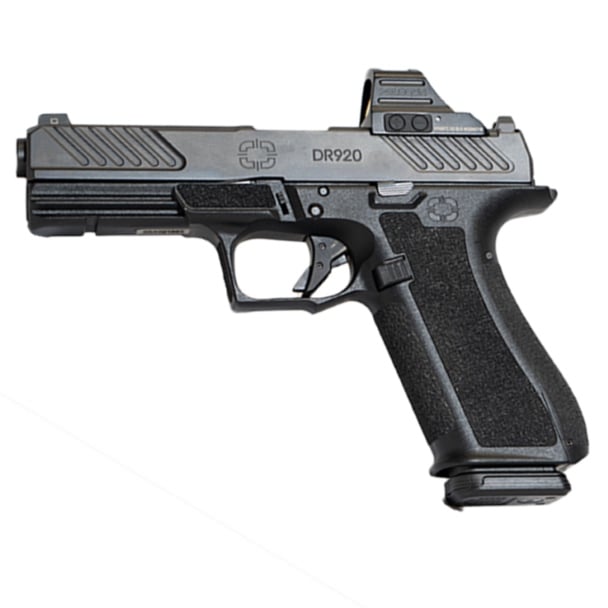
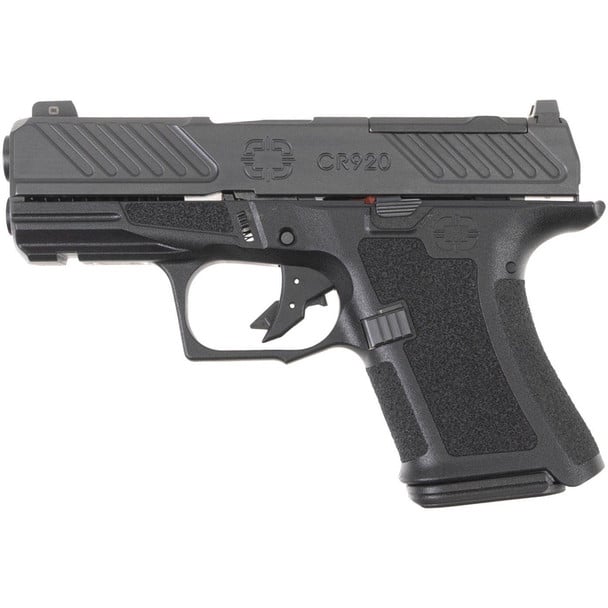
These guys looked at everything people paid gunsmiths to do to their Gen 4s – stippling, undercutting the trigger guard, adding a magwell, fitting a match barrel – and just made it standard. The MR920 is what the Gen 6 tried to be but accomplished years ago.
The real selling point here isn’t just the fancy fluted barrel or the flat trigger; it’s the optic mounting system. They have a proprietary cut that fits multiple footprints (like RMR and Holosun) directly to the slide with long, robust screws. No plates. No failure points. It sits deeply, allowing you to co-witness with standard-height sights.
You pick this up, and it feels like a duty weapon that has already been to a high-end custom shop. It takes Magpul mags, Glock mags, and fits in Glock holsters.
For those on a tighter budget, the PSA Dagger continues to offer incredible value. You can get a reliable, optics-ready pistol for a fraction of the cost of a new Glock, leaving you plenty of cash for ammo and training. While some might question the quality of budget-friendly parts, the Dagger has proven itself to be a dependable option that’s hard to ignore.
At GRITR Range, we have plenty of cool pistols, rifles and PCCs for rent, including Glocks and Shadow Systems. Some rentals sport pre-installed optics. Come try these out!
The discontinuation of the legacy generations feels like the end of an era, but it’s actually a new beginning. The aftermarket isn’t dying; it’s just moving.
If you missed the boat on a Gen 5, don’t worry. The “Glock” platform is bigger than the brand now. Whether you choose the refined ergonomics of the Gen 6 or the modular freedom of a Ruger RXM, you have better options today than ever before. Just choose the one that fits how you actually shoot, not just the one with the famous logo.
Pistol Training in DFW
Basic Handgun Safety
The class is built for the new gun owner to promote responsible gun ownership.